
Ten Pieces of Gear That Earn Their Weight


Weight Is a Budget, Not a Score
The lightest pack is not the best pack. The best pack is the one that carries what you will actually use and nothing else, and the only way to learn the difference is to go out and come back and be honest about what never left the stuff sack. Start by weighing everything once. Most people are surprised by which three items account for a third of the load.
The Ten
A shelter you can pitch in the dark. A sleeping mat rated colder than you think you need. A stove that simmers rather than just boils. A one-litre bottle you can drink from while walking. A head torch with a red mode. Two dry bags. A repair kit that includes a needle. A knife small enough to forget. A map that does not need charging. And one warm layer you are not allowed to walk in.
What Gets Left Behind
Spare clothes for every eventuality, the second pan, the camp chair on a two-night trip, and the book you will not read. None of these are bad things to own. They are things to own for the trips where you are not carrying them very far.


When the Weight Still Hurts
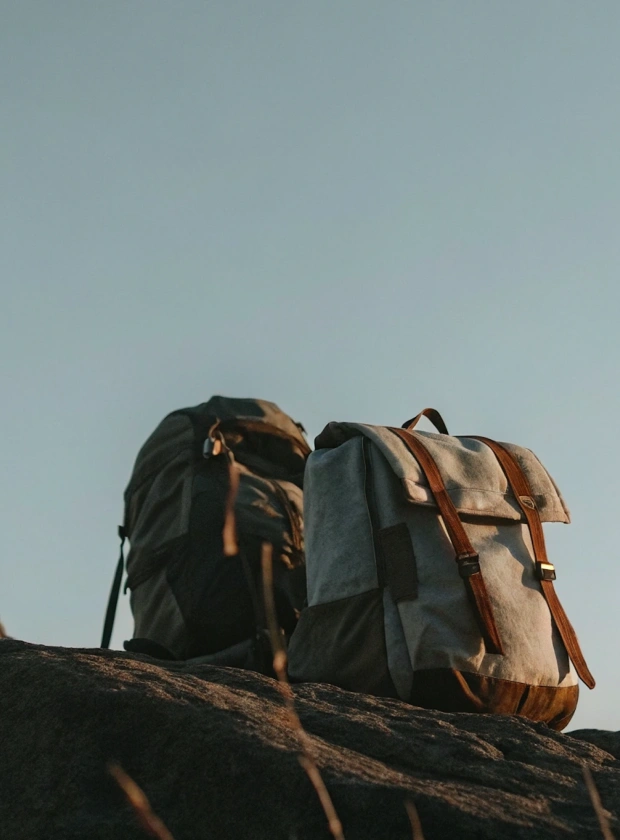
If the pack is right and the walk still hurts, the problem is usually the fit rather than the load. Get the hip belt on the iliac crest, not the waist, and let the shoulders carry almost nothing.
Building a Kit You Trust
A kit becomes trustworthy the same way a route does: by repetition. Take the same setup out four or five times before you change anything, and change one thing at a time. The goal is not the perfect list, it is knowing exactly what is in your pack without opening it.

You need a tripod, a wide lens and about four settings. Everything else about astrophotography is patience.

Good camp food is a packing problem, not a cooking problem. Solve it at home and dinner takes eleven minutes.